October 17, 2025
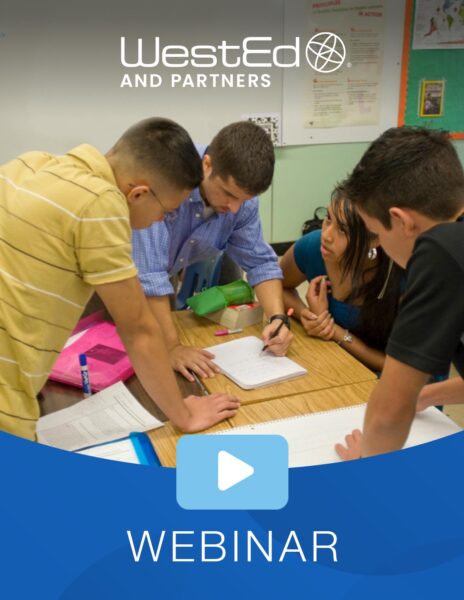
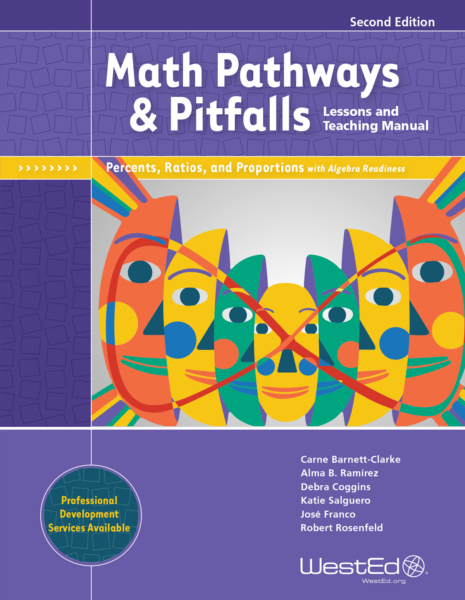
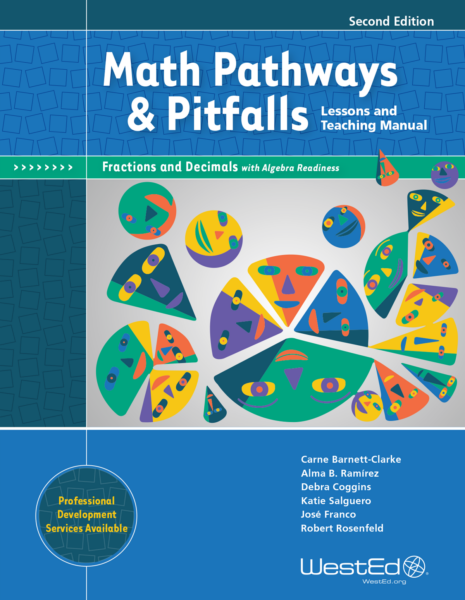
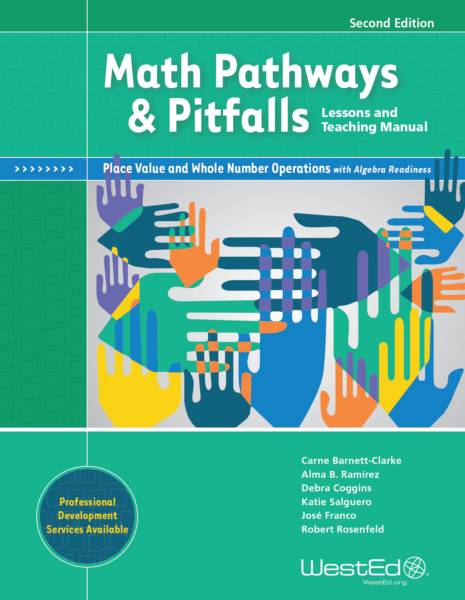
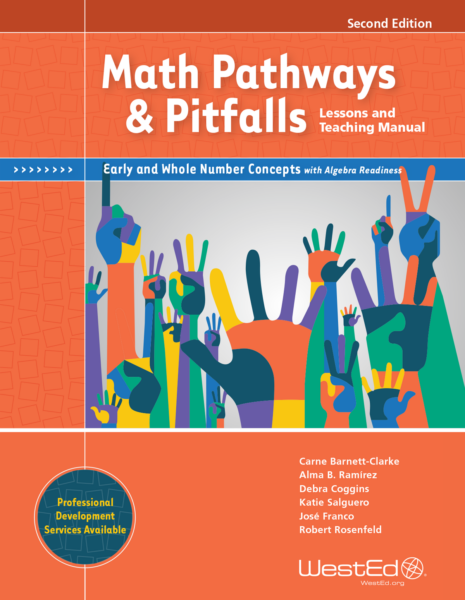
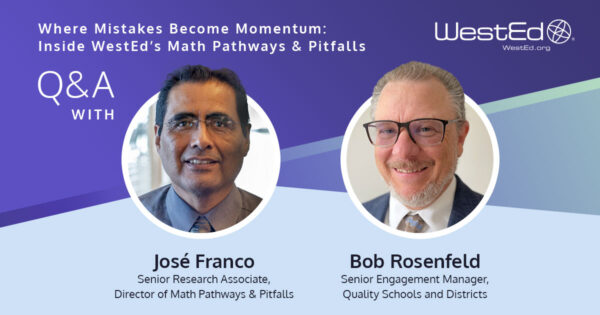
In the post-COVID-19 education landscape, many students are still struggling with math achievement—although some scores have increased, few have returned to prepandemic levels. WestEd’s recent Leading Together webinar explored how structured mathematical conversations help students make sense of math concepts and build confidence. The session featured concepts from the second edition of Math Pathways & Pitfalls and was led by José Franco, Senior Research Associate with WestEd’s Quality Schools and Districts team, and Bob Rosenfeld, Senior Engagement Manager for the same team. The session showcased how research-based practices can create classrooms in which every student participates in meaningful mathematical dialogue.
The Foundation of Mathematical Conversations in the Classroom
Mathematical conversations are built on five core principles developed through more than a decade of research with diverse student populations across the country. These principles, grounded in National Council of Teachers of Mathematics research, guide how teachers facilitate student talk about math.
The approach focuses on building mathematical discussions among students with different language backgrounds, educational experiences, and comfort levels with math. Central to this work is helping students feel comfortable with making mistakes—what Math Pathways & Pitfalls calls “Pitfalls”—and viewing them as part of the learning process. This mindset sets the stage for deeper engagement and richer dialogue among students.
“We use the word Pitfalls, that is, being comfortable with making a mistake in math, we all do. And so, helping them see that that’s part of the learning process,” Rosenfeld explained.
The approach also emphasizes helping students visualize math, make connections to real-world contexts, and summarize their learning in their own words. Through discussions with peers and self-reflection, students can work through challenges and deepen their understanding.
Student talk lies at the heart of effective mathematical conversations. Teachers ask probing questions to help students clarify their thinking, justify their ideas, or get unstuck when facing challenges.
“Math Pathways and Pitfalls is about creating a classroom where every student is engaged and has their voices heard. It’s about creating opportunities for students to talk like mathematicians, to share what they think they understand about the mathematics,” Franco said.
Which Math Pathways & Pitfalls Tools Support Mathematical Discourse?
Creating classrooms in which students have these rich conversations requires intentional scaffolding for both students and teachers.
Discussion builder posters, like those available as part of the Math Pathways & Pitfalls curriculum, provide students with sentence frames and questions they can use during conversations. These posters show students how to present ideas, add to others’ thinking, and ask questions. The language supports partner discussions, whole group conversations, and self-reflection.
“[They] provide opportunities for students to not only have partner and whole group discussions, but some of the questions actually lend themselves to self-reflection, which we know is so key in math,” Rosenfeld noted.
Teacher scaffolding is supported through clipboard prompts—comprising questions developed over years of working with educators. These prompts help teachers facilitate conversations as they move around the classroom, offering different questions to help students understand problems, process information, or reflect on their thinking.
Flexible Implementation and Transference to Core Curriculum
This approach to mathematical conversations can be implemented flexibly depending on classroom and school needs. The guiding principles from Math Pathways & Pitfalls can be transferred to district-adopted curricula, making these effective teaching practices accessible across different instructional materials.
Some schools use these lessons before introducing difficult concepts in their core curriculum. Others use them as the primary lesson or afterward when students struggle with concepts from the core program. The materials work both as part of regular instruction and as intervention in separate settings for K–8 students.
Through intentional scaffolding, supportive tools, and rigorous mathematical conversations, these practices transform classrooms into vibrant learning environments in which all students can engage with mathematics, build confidence, and develop their voices as learners.
Watch the full webinar and view other webinars in the Leading Together series.
How WestEd Can Help
Learn more about Math Pathways & Pitfalls resources and how WestEd can help with Mathematics education through collaborative learning experiences with evidence-based support.
More Related to This Post
Insights & Impact


Resources
Browse our high-quality publications and resources designed to inform and engage professionals in a variety of fields including K–12 education, early childhood, and health and justice.