September 8, 2025
Whether you’re leading a districtwide initiative or trying to reignite collaboration in a single grade-level team, making professional learning sustainable and effective is one of education’s persistent challenges. In this Q&A, WestEd’s Johanna Barmore and Melissa Strand share how the VITAL Collaboration™ framework transforms professional learning communities (PLCs) into engines of inquiry-driven continuous improvement—and how any school or district can get started.

Melissa Strand: One of the first things that we do is administer a survey to administrators, coaches, teachers, and any instructional support staff who might be part of collaboration and instruction. Through the survey, we assess leadership capacity, PLC practices, and teacher efficacy to get a pulse on existing systems and practices. Then we use that to set goals aligned with the district’s initiatives. We also provide some guidance on looking at student data to inform what areas of instruction to focus on.
Johanna Barmore: We’re looking to clarify what aspect of your system you’re trying to improve, which means understanding the patterns of student learning and classroom teaching that’s happening to be able to focus improvement efforts. It might not be glamorous, but the opportunity for teachers to come together is key to home in on and inquire about their practices.
MS: One of the biggest barriers to successful PLC collaboration is creating a structure that’s sustainable and focused on instructional practice in addition to student learning. When teams meet without a shared purpose or defined roles or protocols, they have unproductive conversations and limited impact. VITAL helps overcome this by providing a clear framework, evidence-based protocols, and tools that guide teams to focus on student learning and instructional practice.
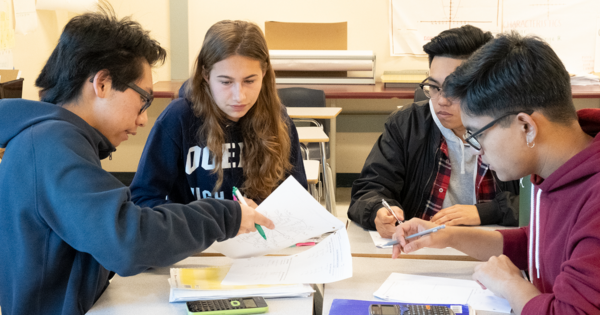
JB: By making collaboration more intentional and visible through, for example, using observation discussions, analyzing student work, or recording lessons, teams shift from surface-level conversations to deeper inquiry about teaching and learning. Over time, this structure not only removes barriers to collaboration but also creates momentum, with teachers more reflective and invested in continuous improvement. Leaders and teachers report that VITAL builds trust, fosters curiosity, and keeps improvement efforts tied to student outcomes.
JB: Teaching teams we’ve worked with have become more reflective practitioners who approach the work with more joy, more curiosity, and a desire to continuously hone and improve their practice to better serve their students.
MS: It’s powerful when you see the shift in thinking. For example, some teams start out already very collaborative, positive in culture, and open to sharing instructional practices. But the shift happens when they start to make it visible—they are recording each other’s instruction and then talking about it or going into each other’s classrooms and observing.
Sample the VITAL Protocol for Discussing a Classroom Observation
The protocol can be used on its own but is intended to be used as part of a collaborative teaching and learning cycle in the VITAL Collaboration framework.
JB: In the 1st year of implementation, schools can see changes in the way teachers collaborate. Then in the 1st year or two, schools see a pretty big shift in human capacity and in the self-reported benefits of collaboration teachers are experiencing.
Somewhere in the 2nd year we see instructional practices start to shift in meaningful ways. And within about 2 to 3 years, looking at interim and state assessments, we see students growing faster than they were before collaboration was in place.
JB: PLCs often use questions like “What is it we want students to learn?” and “How will we know if each student has learned it?” as the primary scaffolds for conversations. While these are important questions to ask, by themselves they focus solely on student learning and do not address instructional practice. If we want student outcomes to improve, we must see commensurate improvements in instructional practice.
MS: Yes, so VITAL Collaboration equips PLCs to serve as engines of improvement by making teaching practice visible and by embedding feedback into ongoing teaching and learning cycles. These cycles provide repeated opportunities for teachers to analyze lessons, observe instruction, examine student work, and adjust practice in response to evidence. As teams engage in this work, they strengthen their collective expertise and build the conditions necessary for sustained instructional improvement, which in turn leads to improved outcomes for students.
MS: Clarity matters. Without a shared purpose, PLCs drift. Set explicit goals tied to both student learning and instructional practice.
Structure builds momentum. Defined roles and consistent use of protocols transform meetings from talk into inquiry-driven collaboration.
Visibility changes practice. When teachers make their practice visible—through observing peers, analyzing student work, or reviewing video—they move from surface-level conversation to deep, evidence-based improvement.
How to Get Started With VITAL
Sample additional VITAL protocols and tools that can help you analyze student learning and assessment data, set instructional goals, and use effective teaching strategies. To explore how VITAL protocols and tools can work together to suit your specific school or district, contact Johanna Barmore.
More Related to This Post
Insights & Impact



Resources
Browse our high-quality publications and resources designed to inform and engage professionals in a variety of fields including K–12 education, early childhood, and health and justice.